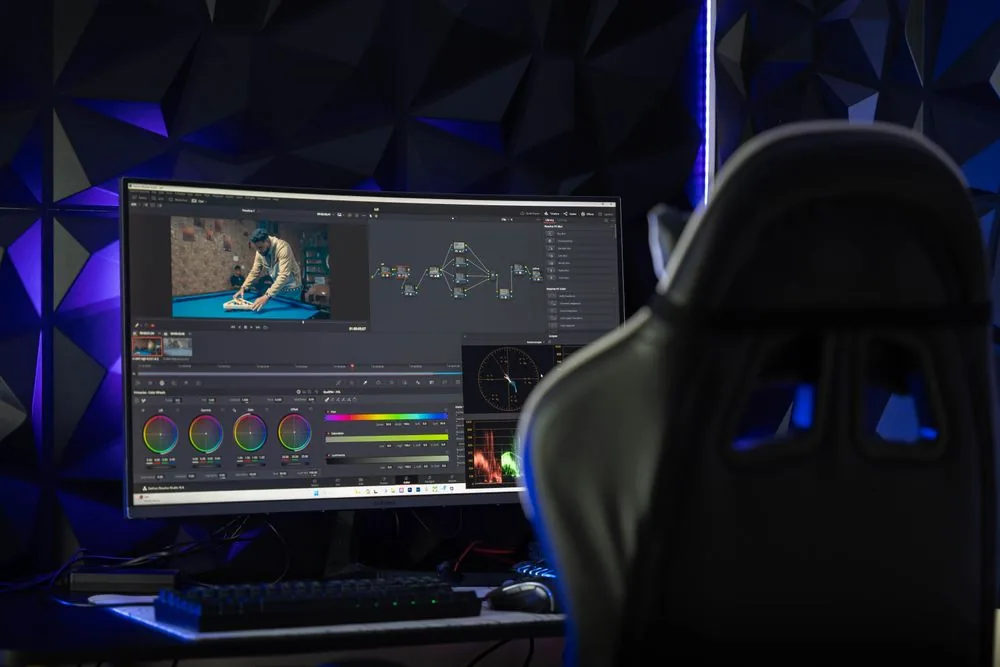



A media production company can support strategy, pre-production, capture, post-production and delivery. The useful question is which of those services your assignment actually needs. A supplier should explain its role clearly instead of attaching a long list of capabilities to every brief. A complete service offer is valuable when responsibilities are explicit.
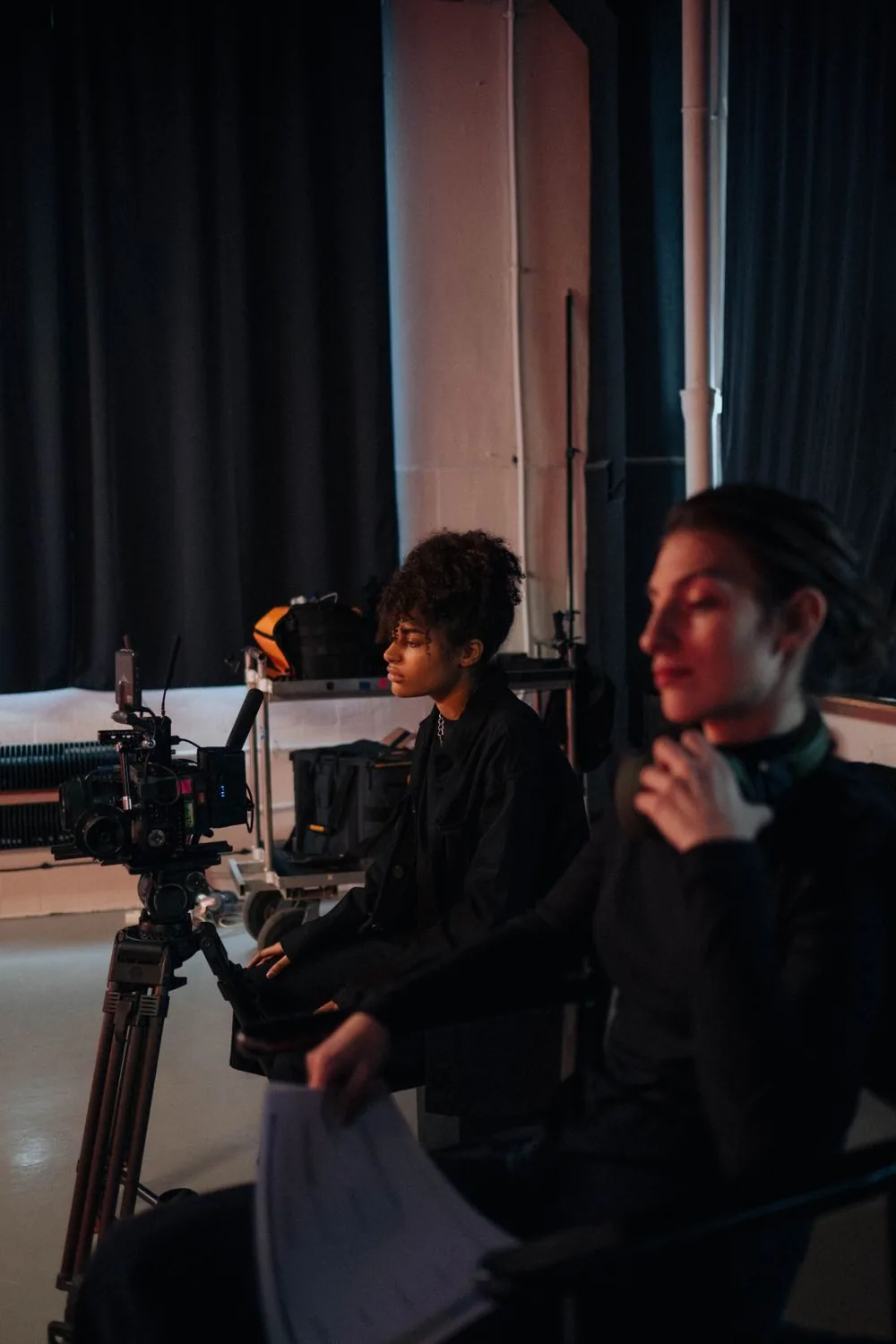
The decision that matters first
Separate creative services such as scripting and storyboarding from logistics such as locations, scheduling and crew. Then separate capture from editing, graphics, sound and language versions. This makes it easier to compare a full production proposal with a camera-only quotation.
Ask what is performed directly and what is coordinated through specialists. Animation, aerial work, streaming and large multicamera productions each require appropriate expertise. One point of contact can be valuable, provided the scope identifies the responsible team and realistic deliverables.
Review evidence before making a shortlist
Ask to see work that resembles the assignment in scale, lighting and delivery requirements. A strong portfolio is relevant evidence, but a complete delivered project reveals consistency that a highlights page cannot. Examine whether important subjects are clear, colours remain believable and the story still makes sense after the strongest opening images. Ask which responsibilities the proposed person actually performed on that project.
Give every shortlisted supplier the same brief and ask the same practical questions. Who will attend? What happens if the named operator becomes unavailable? Who edits the work, and who handles revisions? The answers should identify a workable process rather than rely on a general promise of quality. Keep written notes so the decision is based on comparable information instead of whichever conversation felt most enthusiastic.
Turn the proposal into a clear working agreement
A booking should identify dates, working hours, locations, crew roles, outputs and delivery stages. It should also explain what is excluded. Check whether raw files, extended revisions, additional language versions and specialist work are included or separately quoted. This is not administrative decoration: it is how both sides recognise when a new request changes the assignment.
Nominate one client contact for operational decisions and one final approver where those are different people. Ask the supplier to explain the change process before the event. A late extra room, a longer programme or a new interview may be possible, but capacity and cost need to be acknowledged. A good working relationship makes those decisions visible early, while there are still useful options.
Write a useful Saudi Arabia production brief
For a Saudi brand building an event and corporate content programme, describe the intended audience before listing equipment. Tell the production team whether a coordinated library of films, photographs and campaign assets will support publicity, sales, internal communication or a wider campaign. Name the main decision-maker and the person who can answer practical questions on location. Those details help the team turn a broad enquiry into a plan that can actually be delivered.
Attach the current schedule, exact address and any location instructions. Highlight brand story and people if they are the first priorities, then explain how the remaining subjects fit the story. Include examples of the visual style you prefer, but describe what you like about them: clarity, pace, colour or level of direction. A reference is most useful when it explains a decision rather than asking the crew to copy an unrelated production.
Confirm the output list in writing. In this brief, the intended result is a coordinated library of films, photographs and campaign assets; additional recordings, new edits or extra sessions should be discussed separately. A short but complete brief gives suppliers enough information to estimate realistically and gives the client a baseline for reviewing the finished work.
A worked planning example
Consider a Saudi brand building an event and corporate content programme. This is an illustrative planning exercise, not a claim about a completed Yaadgaar assignment or a fixed package. Begin by placing brand story in the schedule, then reserve a suitable opportunity for people. Check whether those activities overlap. If they do, either change the capture sequence or assign another role rather than quietly expecting one operator to be in two places.
Next, identify what must be prepared for products. The client may need to arrange a subject, approve a background, provide a working product or clarify access. Put that preparation beside the relevant time slot. Then plan events and operational context around the remaining activity. This makes the production a sequence of achievable tasks instead of an open-ended request to capture everything.
Finally, work backwards from the delivery of a coordinated library of films, photographs and campaign assets. Decide which files need early review and which can wait for the complete edit. Leave room for accurate names, captions and a final check. If the programme changes, revise the priority order openly. The example demonstrates a planning method; the actual crew and timings should follow your venue, agenda and agreed level of coverage.
Check scope, costs and the delivery promise
Request an itemised quotation in SAR where appropriate. The total should reflect preparation, capture, editing and agreed expenses, with any applicable taxes stated by the supplier. No numerical example in a general guide can replace a quote for your date and scope. Ask which assumptions would change the total, including a longer programme, another location or a faster review deadline.
For this assignment, prioritise a coordinated library of films, photographs and campaign assets before adding optional material. Agree the first review date, the final delivery stage and the number of included revision rounds. State whether a revision means correcting an error, refining an agreed edit or changing the original direction. These are different requests, and a shared definition prevents a simple approval process from turning into an unexpected second production.
Do not treat raw files, project files, storage or indefinite future re-edits as automatically included. Ask what the package provides and what can be added. Keep the approved proposal with the brief so the people reviewing the work can judge it against the same requirements used to commission it.
Permissions, accuracy and a reusable final library
Confirm the applicable location and organiser requirements for Saudi Arabia with the responsible contacts. Access permission, permission to capture and permission to publish may involve different decisions. Identify restricted areas, private conversations and material that needs client review. For regulated or specialist activities, verify the current requirements with the relevant authority or qualified production provider rather than relying on a general article.
Keep names, titles, product claims and any approved quotations beside the source material. When products appears in a caption or edit, the description should match what was actually captured. Do not imply a customer endorsement, official event partnership or operational capability that the client cannot substantiate. Accurate context makes the content more useful and reduces avoidable corrections after distribution.
Organise a coordinated library of films, photographs and campaign assets by a useful system such as day, subject, session or intended use. Ask for clear filenames, agreed export formats and an explanation of any review or archive limits. Confirm the licensed uses and any restrictions in the agreement. The handoff is complete when the client can find, understand and confidently use the approved assets, not simply when a download link has been sent.
Before you confirm the booking
- Confirm the exact location and working access for a Saudi brand building an event and corporate content programme.
- Rank the essential subjects: brand story, people, products, events, operational context.
- Check the programme for simultaneous responsibilities and unavoidable gaps.
- Agree crew roles, the on-site contact and the final approval owner.
- Put a coordinated library of films, photographs and campaign assets into the written deliverable list.
- Separate urgent selections from the full final delivery.
- Confirm usage, revisions, expenses and any specialist dependencies.
- Save the approved brief and tell the team promptly when it changes.
Frequently asked questions
What should I send when enquiring about media production company Saudi Arabia?
Send the date, exact location, programme and purpose of the content. Explain that you need a coordinated library of films, photographs and campaign assets, and rank brand story and people alongside the other priorities. Include the required delivery date and a contact who can confirm access. This is more useful than requesting a price without a defined assignment.
How should we decide the crew size?
Use the number of simultaneous responsibilities and the consequence of missing a moment. In a Saudi brand building an event and corporate content programme, check whether brand story overlaps with events. Separate capture or editing roles may be appropriate when tasks cannot be covered sequentially. The final recommendation should follow the schedule rather than a fixed crew size stated in a general guide.
Can we receive content on the same day?
It may be possible for an agreed priority selection, subject to crew capacity, editing time and approval. Request a specific handoff window for the most important material. Keep a coordinated library of films, photographs and campaign assets on a clearly defined final schedule rather than assuming every asset will be fully edited immediately. Confirm availability and turnaround in the quotation.
Are prices or package quantities fixed in this guide?
No. This article explains how to plan and compare the work; it does not publish a confirmed rate card. Ask for a quotation showing coverage, crew, outputs, editing, expenses and applicable taxes. Any example is a planning illustration, not a promise that a particular quantity or turnaround is included.
How can we make the finished content easier to reuse?
Agree intended channels and usage before capture, request suitable framing and organise files by subject or purpose. Keep approved names and captions with the files, particularly for products and operational context. Confirm any restrictions on people, music or locations. A well-labelled approved library is easier to reuse than a large undifferentiated folder.